
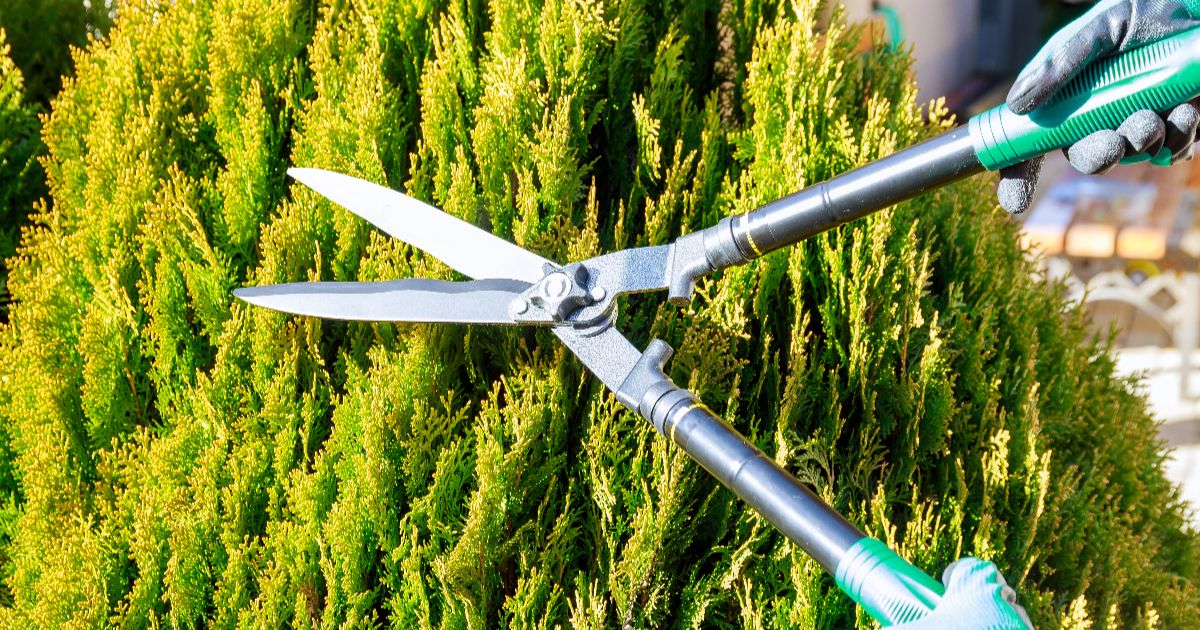
Tree trimming keeps trees healthy, safe, and strong. It removes weak, dead, or overgrown branches so the tree can grow the right way.
Many homeowners wait until a branch falls or a storm hits. That can lead to damage, high costs, and safety risks.
Regular care prevents these problems before they start. I always tell clients that proper trimming is not just about looks. It protects your home and your family.
Let’s break down the real benefits in simple terms.
Improves Tree Health
The main benefit is better health. When you remove dead or diseased branches, you stop problems from spreading.
Dead branches drain energy from the tree. Diseased limbs can infect healthy parts. Cutting them off allows the tree to focus its strength on good growth.
In simple terms, trimming removes bad parts so the tree can grow stronger.
Healthy trees also:
- Grow fuller leaves
- Produce better shade
- Live longer
- Resist pests
When I trim a tree, I look for weak limbs, crossed branches, and signs of decay. Removing these parts keeps the tree balanced and stable.
It Reduces Safety Risks Around Your Property
Overgrown branches can fall without warning. This is one of the biggest dangers.
Tree trimming reduces the risk of falling limbs that can damage:
- Roofs
- Cars
- Fences
- Power lines
It also protects people walking under the tree.
In storm-prone areas, this matters even more. Heavy winds can snap long, unbalanced limbs. Regular trimming lowers that risk.
Protects Your Roof and Structure
Branches that hang over your roof can scrape shingles. Over time, this damages the roof surface.
Leaves also clog gutters. When gutters clog, water backs up and can leak into the home.
Here’s what trimming prevents:
- Roof wear from rubbing branches
- Moisture damage from clogged gutters
- Pest access to your attic
Rodents and insects use tree limbs as bridges to enter homes. Cutting back branches removes that path.
Keeping trees trimmed helps protect your investment.
It Improves Curb Appeal Instantly
Well-shaped trees make a yard look clean and cared for.
When trees grow uneven or wild, the property looks neglected. Proper shaping creates a balanced, open look.
This is important if you plan to sell your home. Buyers notice landscaping first. A well-maintained yard adds value and creates a strong first impression.
Even small trimming jobs can make a big visual difference.
Tree Trimming Encourages Proper Growth
Young trees need direction. Without trimming, they may grow crooked or develop weak branch structures.
Pruning guides growth in the right direction.
When we remove competing branches, we help the main trunk stay dominant. This improves long-term strength.
Benefits of structured growth include:
- Better wind resistance
- Stronger branch attachments
- Fewer splits or cracks
I always recommend early trimming for young trees. It prevents future problems.
It Increases Sunlight and Airflow
Dense canopies block sunlight. Grass and plants under the tree may struggle.
Selective trimming opens space for light and air to move through.
More sunlight helps:
- Lawn growth
- Garden plants
- Soil health
Better airflow also reduces mold and fungus. Moisture trapped in thick branches creates ideal conditions for disease.
Simple fact: better airflow means less disease risk.
Opening up the canopy improves the entire yard environment.
Helps Detect Problems Early
When trimming, we inspect the tree closely. This helps spot hidden issues.
We look for:
- Rot
- Cracks
- Pest damage
- Fungus
Catching these early can save the tree.
Sometimes homeowners do not notice decay inside large branches. A professional eye can identify weak spots before they break.
Early action can prevent full tree removal later.
Why Proper Tree Care Pays Off
Tree trimming keeps trees healthy, safe, and strong. It protects your home, improves appearance, and prevents costly damage.
When you maintain trees regularly, you reduce risk and support long-term growth. You also increase your property’s value.
Taking action early is always better than reacting after damage happens. Proper trimming keeps your landscape clean, balanced, and safe for years to come.
Can You Replant After Stump Grinding?
Yes, but not directly in the exact same spot right away.
The ground still contains old roots. These roots will decay slowly over time.
If you want to plant a new tree:
- Move slightly away from the original stump location
- Add fresh soil
- Allow time for old roots to break down
For grass and small plants, replanting is usually simple after filling the hole with topsoil.
When Should You Grind a Stump?
The best time is soon after tree removal.
Fresh stumps are easier to grind. Waiting too long may cause:
- Root sprouting
- Pest infestation
- Fungal growth
If the stump has been sitting for years, it can still be ground down. It may just take more effort.
Benefits of Stump Grinding
Let’s summarize the key benefits:
- Removes tripping hazards
- Prevents pest problems
- Improves yard appearance
- Frees up usable space
- Makes lawn care easier
- Avoids major digging
Grinding is more cost-effective and efficient than full removal.
It restores your yard without tearing it apart.
Clearing the Way for a Clean Yard
Stump grinding removes unwanted tree stumps quickly and safely. It grinds the stump below ground level, leaving your yard ready for restoration.
By taking care of leftover stumps, you improve safety, prevent pest issues, and create a cleaner outdoor space.
Acting early keeps your property looking maintained and prevents future problems.
If you want a smooth lawn and more usable yard space, stump grinding is a smart and practical solution.