
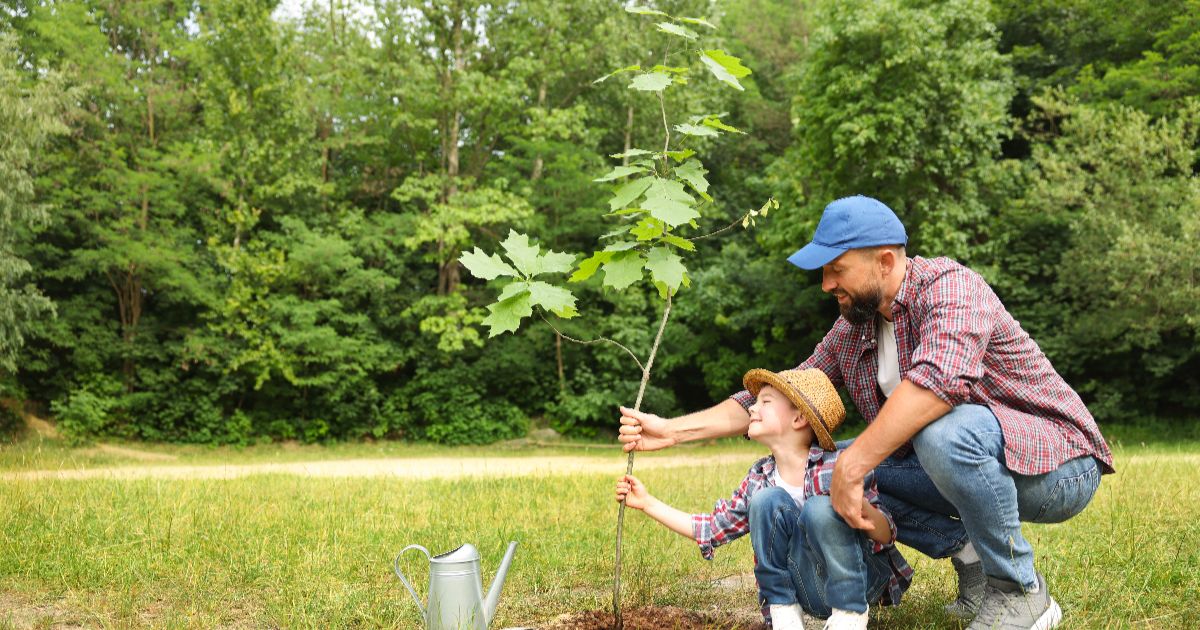
The best time to plant a tree in Pinecrest is from late fall through early spring, when the weather is cooler, and the tree is under less stress.
This gives the roots time to grow before the hot summer months hit.
In South Florida, timing matters because heat, heavy rain, dry spells, and poor soil can all affect young trees.
We want new trees to start strong, not fight the weather from day one.
Best Time to Plant a Tree in Pinecrest
The best time to plant a tree in Pinecrest is usually from November through March. These months give new trees cooler days, lower stress, and more time to grow roots before summer heat arrives.
Pinecrest has a warm climate, so trees can grow during much of the year. But that does not mean every month is equal. A young tree needs time to settle in. Its roots need to spread into the soil before the tree must handle strong sun, high heat, and heavy rain.
Planting in late fall or winter gives the tree a better start. The air is cooler, but the soil is still warm enough for root growth. This balance helps the tree use less energy on its leaves and more on its roots.
Spring can also be a good time, mainly from February to March. But once the weather gets hotter, the tree needs more water and closer care. If you plant too late in spring, the tree may struggle once summer starts.
Some homeowners plant after removing an old or unsafe tree. Before adding a new tree, it helps to understand how removal works to keep the site safe and clear.
Pinecrest Weather Affects New Trees
Pinecrest weather affects new trees because heat and rain can alter root growth. A tree planted at the wrong time may dry out, lean, or fail to take root.
Summer sun can dry out the top layer of soil fast. A young tree has small roots, so it cannot yet reach deep water. This makes summer planting harder.
Rain can also bring problems. Heavy rain may fill the planting hole with too much water. Roots need water, but they also need air. If the soil stays wet for too long, roots can rot.
Wind is another issue. A new tree does not yet have a strong root system. Strong storms can push it to one side. This is why we care about planting depth, staking, and soil support.
Pinecrest yards can also have tight spaces near sidewalks, driveways, pools, and fences. Before you plant, think about how roots may spread over time.
Poor placement can lead to root damage to sidewalks later.
Fall and Winter Give Trees the Best Start
Fall and winter are the safest planting seasons for most trees in Pinecrest. The tree has more time to grow roots before the hardest weather arrives.
From November to March, the days are often cooler. The tree loses less water through its leaves. This means it can focus more on root growth.
A strong root system helps the tree handle the summer heat. When the weather gets hot, the tree can draw more water from the soil. This lowers the risk of wilting, leaf drop, and early decline.
Fall and winter planting also makes watering easier. You still need to water the tree, but the soil may stay moist longer. That helps reduce stress.
This is also a good time to inspect nearby trees. If older trees have dead limbs, weak branches, or poor form, they may affect the new tree’s access to light and space.
Our guide on professional pruning signs can help you spot issues early.
Can You Plant a Tree in Pinecrest During Summer?
Yes, you can plant a tree in Pinecrest during the summer, but it takes more care. The heat causes young trees to lose water faster, so you must water them on a regular schedule.
Summer planting works best when the tree is healthy, the site drains well, and the tree gets care right away. The first few weeks matter most. A dry spell can hurt a new tree fast.
If you plant in summer, follow these steps:
- Plant early in the morning or late in the day.
- Water the root ball before planting.
- Keep the top of the root ball level with the soil.
- Add mulch around the tree, but keep it off the trunk.
- Water deeply and check the soil often.
- Watch for yellow leaves, drooping, or dry tips.
Do not plant too deeply. Many young trees fail because the root flare gets buried. The root flare is the point where the trunk begins to widen near the soil line. It should stay visible.
Also, do not pile mulch against the trunk. This traps moisture and can invite pests or decay. A flat ring of mulch works better than a mulch mound.
Summer also brings more insect and disease pressure. A weak new tree can become an easy target. It helps to know how pests kill trees so you can act before damage spreads.
Common Mistakes to Avoid When Planting Trees
The most common tree planting mistakes are planting too deeply, watering poorly, choosing the wrong tree, and planting too close to structures. These mistakes can lead to weak roots, slow growth, and costly repairs.
Avoid these problems from the start:
- Do not bury the root flare.
- Do not plant large trees near sidewalks.
- Do not use too much mulch.
- Do not forget to water after the first week.
- Do not plant under power lines.
- Do not ignore drainage problems.
- Do not choose a tree based only on looks.
One mistake I see often is planting a tree where it has no room to grow. The tree may look small at first. Later, it may push into a roof, fence, or driveway.
Another mistake is waiting too long to fix early signs of stress. A small issue can turn into dead branches or root failure. If you need help picking the right care plan, our guide to choosing a tree service can help.
A Strong Tree Starts With Smart Timing
The best time to plant a tree in Pinecrest is during the cooler months, but the choice of planting site matters just as much as the season.
Pick the right tree, place it with care, water it well, and protect the roots during the first year. A healthy tree can add shade, beauty, and value to your yard for many years.
For help with planting, trimming, or tree care in Pinecrest, call Acosta Tree Service at (305) 221-0960 for a free estimate.