The question of tree trimming vs. pruning is common. Here is the simplest way to explain it:
- Tree trimming: Cutting branches to control shape, size, and appearance.
- Tree pruning: Removing dead, damaged, or diseased branches to improve tree health and safety.
I will explain the key differences, when to use each, and why both matter for your trees.
What Is Tree Trimming?
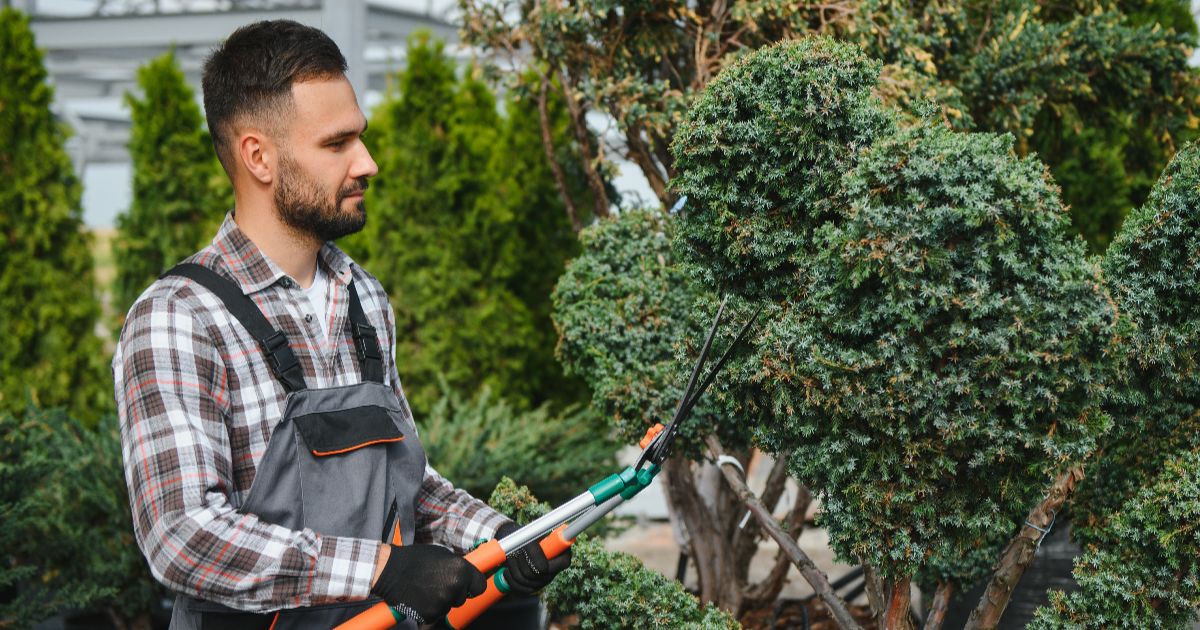
Tree trimming is cutting branches to improve the shape and control growth.
Trimming is often done to:
- Keep trees looking clean
- Prevent branches from growing too long
- Improve sunlight in your yard
This is common for hedges, small trees, and decorative landscaping.
What Is Tree Pruning?
Tree pruning removes dead or weak branches to improve tree health.
Pruning helps:
- Stop the disease from spreading
- Remove broken or dying limbs
- Strengthen the tree structure
This is more about long-term health than looks.
Tree Trimming vs Pruning: Main Difference
Trimming is for appearance, while pruning is for health and safety.
Here is a simple comparison:
Tree Trimming:
- Focuses on looks
- Controls size and shape
- Done more often
- Helps with sunlight and space
Tree Pruning:
- Focuses on health
- Removes dead or weak branches
- Done as needed
- Prevents disease and damage
Knowing this difference helps you choose the right service.
When Should You Trim a Tree?
Trim a tree when it looks overgrown or blocks light or space.
Signs you need trimming:
- Branches are too long
- The tree looks messy
- Blocking windows or sunlight
Regular trimming keeps your yard looking clean and open.
When Should You Prune a Tree?
Prune a tree when branches are dead, damaged, or diseased.
Signs you need pruning:
- Dead or broken branches
- Cracks in limbs
- Signs of disease
- Branches hanging over your home
Pruning helps prevent bigger problems later.
Both Services are Important
Both trimming and pruning work together to keep trees safe, healthy, and looking good.
Benefits include:
- Stronger tree growth
- Lower risk of falling branches
- Better appearance
- Improved safety around your home
Ignoring these services can lead to costly damage.
What Happens If You Do Nothing?
Without trimming or pruning, trees can become unsafe and unhealthy.
Common issues:
- Overgrown branches
- Increased risk of breakage
- Disease spreading
- Property damage
In some cases, neglect leads to full tree removal.
After a tree is removed, you may also need services like stump grinding to clear the remaining base and restore your yard.
Can You Do It Yourself?
Small trimming is possible, but pruning large trees should be done by professionals.
Risks of DIY:
- Injury from falling branches
- Incorrect cuts that harm the tree
- Damage to nearby property
Professional work ensures safe and proper care.
Choose the Right Service for Healthy Trees
Tree trimming vs pruning comes down to purpose. One improves how your tree looks. The other protects its health and safety.
Understanding the difference helps you make better decisions for your property.
When you stay on top of tree care, you avoid damage, save money, and keep your yard looking its best.