Prepare your trees for hurricane season early. Inspect them, remove weak limbs, and fix unsafe growth before a storm hits South Florida. Strong winds can break dead branches. They can split weak trunks.
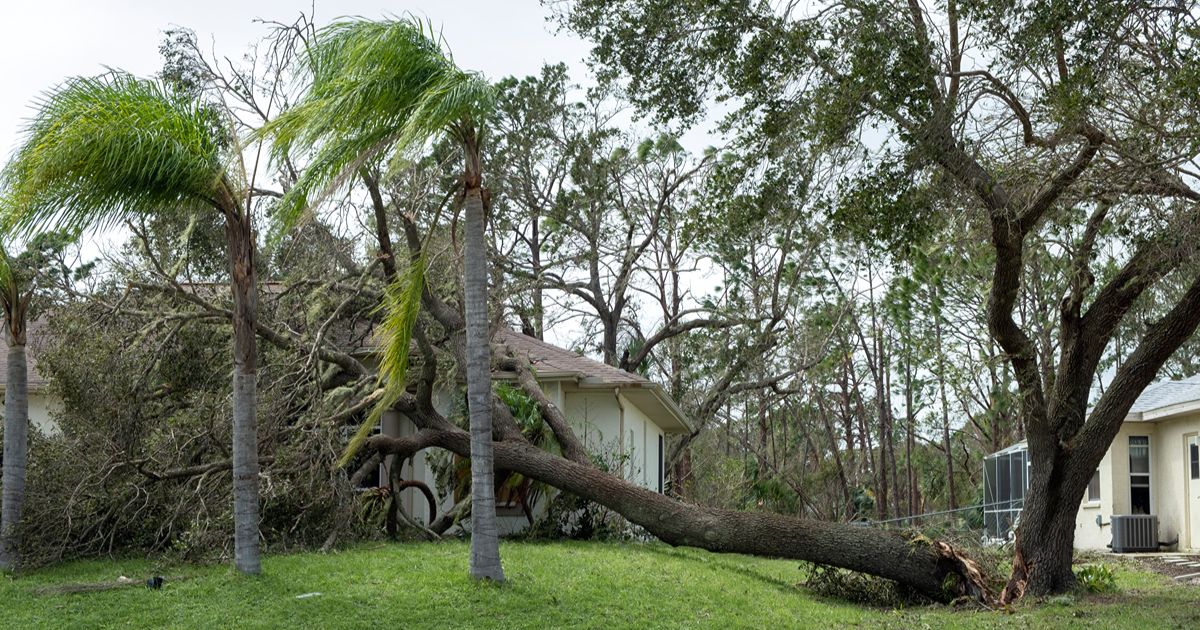
They can also push unstable trees onto homes or cars. Proper care lowers these risks without cutting away healthy growth. Start months before a storm is named.
Inspect Every Tree Before Hurricane Season
A tree inspection finds weak parts that may fail during high winds. Check the trunk, branches, roots, and surrounding soil before scheduling any work.
Start by walking around each tree from several angles. Look upward for hanging limbs, broken branches, and areas with few leaves. Examine the trunk for deep cracks, hollow sections, mushrooms, peeling bark, or soft wood.
Several warning signs call for professional help:
- Large dead branches above a roof
- Two trunks joined by a narrow split
- New cracks near major limbs
- Roots lifting from the soil
- A tree leaning more than before
- Cavities or decay in the trunk
- Branches touching a building
Some damage starts with insects or fungal growth. Hidden health issues like tree pests and diseases can weaken wood over time.
Prepare Your Trees With Proper Pruning
Proper pruning removes weak wood while keeping the tree balanced. It does not mean cutting every long limb or thinning the middle until the canopy looks empty.
A trained tree professional may remove dead branches, shorten limbs with cracks, and reduce overly long growth. UF IFAS states that correct pruning can make trees more resistant to hurricane damage.
Pruning also offers year-round value. The main benefits of tree trimming include safer growth, improved clearance, and fewer damaged limbs.
Remove Dead and Damaged Limbs
Dead branches can break under far less force than healthy wood. Remove them before strong wind turns them into falling debris.
Cracked limbs may also need shortening or full removal. A tree professional can inspect the branch collar and select a cut that promotes healthy closure.
Homeowners should watch for clear pruning warning signs, such as crossing limbs, heavy branches, and broken tips. Early work is safer than rushed cutting during a storm warning.
Keep the Canopy Balanced
A balanced canopy lets wind move through and around the tree. Removing too much growth can harm the tree and create new weak shoots.
Miami-Dade County advises against removing more than 25 percent of a tree canopy. The county also warns against topping and hatracking, which leave trees with few healthy branches or leaves.
I recommend asking the tree company what cuts they plan to make. A clear answer should focus on dead wood, weak unions, excess branch length, and safe clearance.
Never Use Hurricane Cutting on Palm Trees
Hurricane cutting does not make palm trees safer. Removing healthy green fronds can weaken the palm and reduce its ability to handle wind.
A palm usually needs only dead fronds, broken pieces, and some fruit stalks removed. Healthy leaves help the plant produce food and support normal growth.
UF IFAS reports that palms cut in the hurricane style may suffer more crown damage during severe wind. Its guidance says to leave green fronds intact, especially those above the horizontal line.
Heavy cutting can look neat for a short time, but appearance does not prove safety. The same warning applies to severe tree pollarding when the method is not suited to the tree.
Clear Branches Near Buildings and Utilities
Branches should not scrape roofs, block driveways, or hang over areas where people gather. Safe clearance can reduce damage during a storm.
Focus on limbs near:
- Roof edges and windows
- Cars and parking areas
- Pools and screen enclosures
- Public sidewalks
- Gates and access roads
- Utility lines
Do not trim branches that touch power lines. Miami-Dade County directs residents to contact Florida Power and Light when a tree reaches electrical or utility wires.
Move patio furniture, planters, tools, and loose decorations away from trees before a storm. These items can block access during cleanup or become flying debris.
Remove Trees That Cannot Be Made Safe
Some trees remain dangerous after pruning. Severe decay, major root failure, a split trunk, or a strong lean may make removal the safer choice.
A qualified professional should inspect the tree before recommending removal. Healthy trees should not come down only because hurricane season is near. Still, delaying action on a known hazard can place homes and people at risk.
Ignoring tree maintenance risks may also increase repair costs after heavy wind. Small defects often grow as limbs become larger.
Tree removal or relocation may require a permit in Miami-Dade County. Local rules also allow enforcement when a protected tree gets removed or destroyed without proper approval.
Ask the contractor to explain:
- Why the tree presents a danger
- Which defects cannot be corrected
- What permit may be needed
- How the crew will protect the property
- Where logs and debris will go
Do Not Wait Until a Storm Is Close
Schedule tree work before weather alerts create a rush. Crews need enough time to inspect the site, plan safe cuts, and remove debris.
Last-minute trimming can leave branches, logs, and wood piles outside when the wind arrives. Fresh cuts made without care may also harm the tree.
Professional work matters most for tall trees and heavy limbs. UF IFAS advises hiring a certified arborist for trees taller than about 15 feet.
Keep photos of major trees before hurricane season. Those images may help document their condition after the storm. Also review what to do when a tree hits a house so your family knows the first safety steps.
Give Your Trees a Safer Start Before the Next Storm
The best time to prepare your trees for hurricane season in Miami is long before strong winds reach the forecast.
Early inspections, proper pruning, safe clearance, and timely removal can reduce the risk of fallen limbs and property damage.