Pinecrest homeowners face common tree problems like overgrown limbs, storm damage, weak branches, root damage, palm issues, and dead trees.
These problems can affect your roof, yard, fence, driveway, pool area, and safety. A good tree service can spot the issue early and fix it before it turns into a larger repair.
The key is knowing what signs to watch for and when to get help.
1. Overgrown Branches Near Roofs and Power Lines
Overgrown branches are one of the most common tree problems in Pinecrest. They can rub against roofs, hang over driveways, block sunlight, and create a risk during storms.
Branches can grow toward the roof, pool cage, fence, or power line before you notice the risk.
Watch for these signs:
- Branches touching the roof
- Limbs hanging over the driveway
- Tree limbs close to power lines
- Branches rubbing against windows
- Heavy limbs over a patio or pool
- Low branches blocking walkways
- Leaves and twigs are building up in gutters
A branch does not need to fall to cause damage. A limb that rubs against shingles can wear down the roof. Branches near gutters can trap leaves and water. Heavy limbs over cars or walkways can become a safety issue.
2. Storm-Damaged Trees After Heavy Rain and Wind
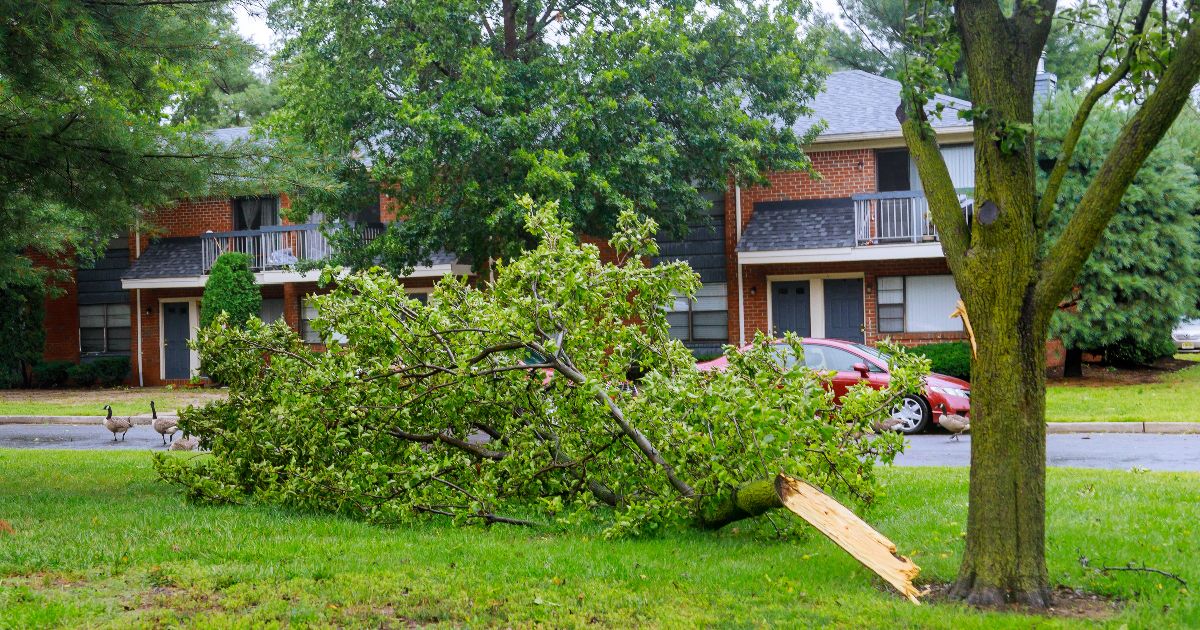
Storm damage can make a tree unsafe even if it still looks alive. Wind, rain, and lightning can crack limbs, split trunks, and weaken branches.
Pinecrest gets a strong storm season. A tree may look fine from the street, but damage can be hidden within the canopy. One cracked limb can hang for days or weeks before it falls.
Common signs of storm damage include:
- Broken branches stuck in the tree
- Cracks in large limbs
- Fresh splits in the trunk
- Learning that started after a storm
- Bark ripped from the trunk
- Large limbs on the ground
- Exposed roots
- Branches hanging over the roof
Storm cleanup should be done with care. Broken branches can shift when cut. Large limbs may be under pressure. A homeowner with a ladder and saw can get hurt fast.
3. Tree Roots Lifting Walkways, Pavers, and Driveways
Tree roots can lift hard surfaces and make parts of your yard unsafe. They can also make mowing, parking, and walking harder.
Pinecrest yards often have mature trees with large root systems. Roots can grow under pavers, sidewalks, driveways, and patios. Over time, they may lift the surface, creating uneven spots.
You may see:
- Raised pavers
- Cracked walkways
- Uneven driveway edges
- Roots above the soil
- Trip hazards near the tree
- Soil mounds near the trunk
- Fence or border damage
Root problems need a careful plan. Cutting the roots the wrong way can hurt or weaken the tree. It can also make the tree less stable in the wind.
4. Dead, Weak, or Falling Branches
Dead branches can fall at any time. They are one of the clearest signs that a tree needs attention.
A dead branch may have no leaves, peeling bark, or a dry, gray look. It may also snap easier than healthy wood. In Miami-Dade weather, dead limbs can break during rain, wind, or even on a calm day.
Look for these warning signs:
- Bare branches while the rest of the tree has leaves
- Dry, brittle limbs
- Branches falling often
- Bark missing from limbs
- Fungal growth on branches
- Hollow-looking sections
- Cracks where branches meet the trunk
Dead limbs over a roof, driveway, sidewalk, or play area should not wait. These branches can harm people and damage property.
5. Palm Trees Dropping Heavy Fronds
Palm trees can drop heavy fronds that damage cars, roofs, walkways, and outdoor furniture. Regular palm trimming helps reduce this risk.
Palms look clean and tropical, but they need care. Dead fronds can hang low and fall without much warning.
Palm problems may include:
- Brown fronds hanging down
- Heavy seed pods
- Fronds over a driveway
- Fronds near a roof or pool
- Loose palm boots
- Debris around the trunk
- Falling palm parts after wind
Palm trimming should be done the right way. Cutting too much can stress the palm. A “hurricane cut” may look clean, but it can weaken the tree if done too hard.
6. Leaning or Dead Trees That May Need Removal
A leaning or dead tree can become a serious risk. If the trunk is weak, roots are damaged, or the tree is dying, removal may be the safest choice.
Not every leaning tree needs to come down. Some trees grow at an angle and stay stable for years. The concern starts when the lean is new, worsening, or accompanied by other warning signs.
Call for a tree check if you notice:
- A tree leaning more than before
- Soil lifting near the roots
- Cracks in the trunk
- Dead branches throughout the tree
- Fungal growth near the base
- Large cavities in the trunk
- Roots pulling from the ground
- The tree leaning toward the house
Dead trees are also a concern. They can lose strength from the inside. A dead tree near a home, driveway, road, or fence should be handled fast.
Do Not Ignore Tree Problems
Small tree problems can turn into costly property damage. A weak branch, damaged trunk, or lifted root can affect your home, yard, and safety.
Pinecrest homes often have larger lots and mature trees. That means tree care is part of property care. Waiting too long can make the work harder and more expensive.
Tree problems can lead to:
- Roof damage
- Broken fences
- Cracked pavers
- Pool screen damage
- Blocked walkways
- Pest activity
- More storm debris
- Safety risks for family and guests
Regular tree service helps keep these problems under control. It also helps your yard look cleaner and easier to manage.
Keep Your Yard Safe, Clean, and Ready
Tree problems are easier to fix when you catch them early. Overgrown branches, storm damage, weak limbs, root issues, palm debris, and dead trees all require proper care.
If your trees show signs of risk, call Acosta Tree Service at (305) 221-0960 for a free estimate.
Our team can help you choose the safest option for your property and keep your yard in better shape year-round.