
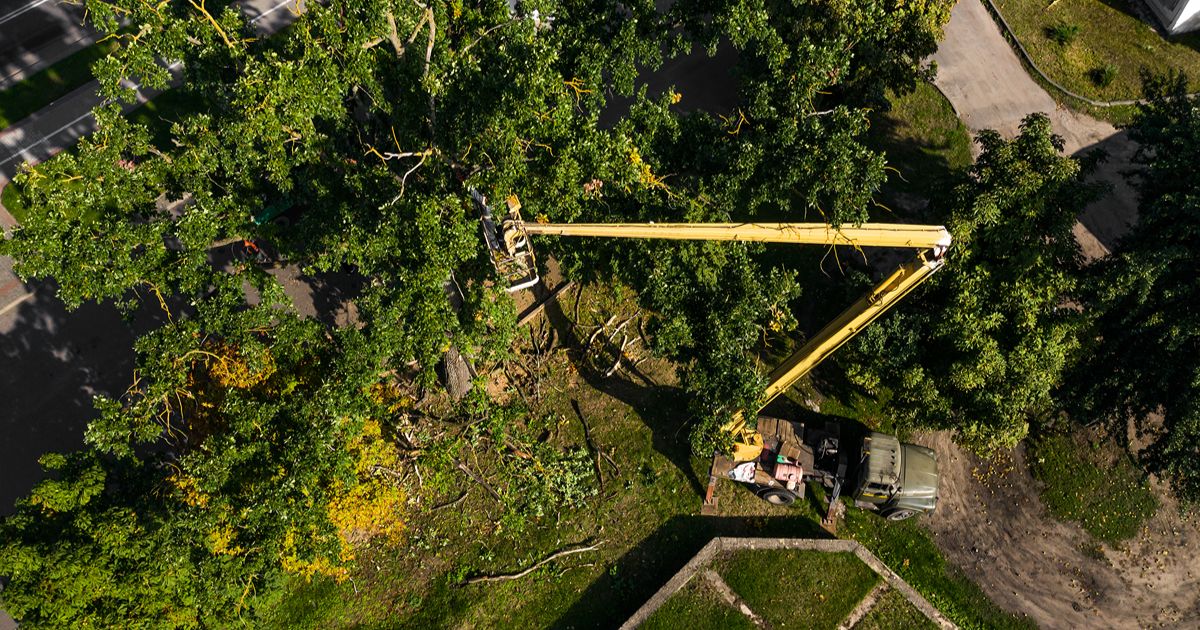
Tree service for Miami HOAs works best when the board approves a written plan tied to specific trees.
A request to “trim everything” leads to arguments later. Shared property also adds steps a single homeowner never faces.
The board has to confirm who owns each tree, check county rules, compare bids fairly, and keep residents informed.
What Should Tree Service for Miami HOAs Include?
A good community plan covers pruning, removal where needed, stump work, and cleanup. Each task should point to one tree and one reason.
Vague scopes leave room for the board and the crew to picture different results.
Acosta Tree Service has handled tree trimming, removal, and stump grinding across Miami-Dade since 1985. We work with both homeowners and businesses.
Before you request tree service in Miami, build a marked property map.
Number every tree near entrances, sidewalks, parking areas, buildings, and shared spaces like pools. For each tree, record:
- The concern, with a dated photo.
- The proposed action and the reason.
- Access limits or nearby features to protect.
- The person responsible for approval.
Keep comfort requests apart from safety concerns. An owner who wants more sun on a balcony deserves an answer. A cracked limb over a walkway needs a faster one.
Who Can Approve Work on Shared Trees?
The association can only approve work on trees it is responsible for. Confirm ownership in the governing documents before anyone signs a contract.
A tree next to a private patio does not become common property just because of where it stands.
Ask the property manager to check the site records. Then keep a simple approval log with four columns: tree number, agreed task, approving person, and date.
If a boundary or a board’s authority is unclear, talk to the association’s attorney before you approve the work.
Does a Miami Condo Association Need a Tree Permit?
Often, yes. Miami-Dade County requires a permit to remove or relocate any tree that the county code does not exempt. The county’s tree permit rules spell out who handles what, including work inside cities.
Pruning follows a different rule. Selective pruning done to the ANSI A300 standard needs no removal permit.
But the county treats cutting more than 25% of a canopy, such as topping or hat-racking, as destroying the tree. That is a code violation.
Two points matter for associations:
- The county exempts some trees in the yard of an existing single-family home. Shared common areas aren’t a single-family yard, so don’t assume that exemption covers you.
- Cities can add their own rules. The City of Miami, for example, requires a permit to prune more than 25% of a tree’s canopy within one year.
Our post on Miami tree removal laws covers the general basics. For your property, confirm both the county and city rules before work starts.
Put Paperwork Duties in Writing
Before you book tree removal, decide who will check permits, file forms, and track conditions. Write these duties into the contract.
Otherwise, the board and the contractor may each think the other one handled it.
How Can Boards Compare Tree Care Bids Fairly?
Give every contractor the same map and the same scope. Then compare tasks and exclusions, not just the total. A lower price may cover fewer trees or leave out hauling.
Ask for separate lines for pruning, removal, stump work, debris disposal, and permit costs. Also ask how equipment will enter the site and which areas must be closed.
Here is a common gap. One bid cuts down a tree and hauls the wood away. A second bid also grinds the stump, removes the chips, and fills the hole. Both say “removal,” but they deliver different results.
If you want stump grinding, write down the depth, chip handling, and finish. Confirm how crews will locate irrigation lines and utilities first.
Keep current insurance papers with each bid. Have the association’s insurance adviser review any coverage the board requires.
How Should Residents Prepare for Scheduled Work?
Residents need to know where to park, which paths will close, and whom to call. Send a notice once the date and work area are set. Include a plan for rain delays. A useful notice lists:
- The work date and expected hours.
- Parking spaces that must stay empty.
- Temporary walking routes and closed areas.
- Patio items owners should move.
- A property manager contact for questions.
Name one board or management contact to approve changes during the job. Send every resident request through that person.
Crews should never get conflicting orders from different owners.
Plan tree trimming around gate access, delivery times, and pool hours so shared spaces stay usable.
Where Does Storm Prep Fit in the Maintenance Plan?
Storm prep starts with a tree assessment, not a fixed cutting schedule. The right pruning depends on each tree’s species, structure, and defects.
UF/IFAS hurricane guidance advises hiring a certified arborist to prune trees taller than about 15 feet before the season starts.
It also notes that trees planted in the last five years and very old large trees face the most risk.
Timing matters for a shared property. UF/IFAS Extension warns that pruning after a hurricane watch is risky, and loose debris by the street becomes a hazard.
Book community work early, and confirm the crew hauls everything away the same day.
Use our hurricane tree preparation checklist to organize the visit. Good pruning lowers risk, but no pruning plan can promise a storm-free season.
If you suspect a hazard, keep residents away from it while you arrange help.
Sort the budget into three groups: work needed now, work to plan, and trees to watch. Save completion photos and open items for the next board review.
Bring a Marked Map to Your Next Board Meeting
A numbered map, an approval log, and matching bids give your board a plan it can vote on with confidence.
Acosta Tree Service is locally owned, licensed, and insured, and every estimate is free.
Call (305) 221-0960 with your property address, marked photos, and access details to set up a site visit.